Trees shape the look and feel of yards in New Albany. They shade porches, hold nests, and thread the city into a leafy backdrop. They also fail, rot, and sometimes threaten homes and power lines. Deciding when to call a professional like Cummins Tree Service is less about emotion and more about timing, risk assessment, and local know-how. Below I walk through practical triggers, what to expect from the crew, costs and trade-offs, and a few judgment calls I use on my own properties in southern Indiana.
Why call a dedicated tree service rather than handle it yourself? A mature oak or silver maple is heavy, unpredictable, and often entangled with wires. Even small jobs create hazards: falling limbs can dent cars, rip through shingles, or leave deep injuries. A company that brings the right equipment, insurance, and experience reduces those risks, speeds the work, and often protects surrounding plants and hardscape better than a weekend DIY approach.
Recognizing the common signs you need help
Trees give plenty of signals before they become a serious hazard. Spotting these early saves money and limits collateral damage. When in doubt, call; a reputable crew can assess and give options.
- Visible cracks or splits in the trunk or major limbs, especially ones that widen after storms or freezing nights. Large dead branches clustered in the canopy, or a sudden increase in twig dieback across multiple limbs. Leaning trees that have changed angle after a weather event, or that have exposed roots on the uphill side. Roots lifting sidewalks or driveways, or obvious root rot where soil around the base smells sour or looks sunken. Repeated woodpecker activity, fungal fruiting bodies like shelf fungi, or cavities that indicate internal decay.
Those five signs are practical and observable. If you notice one or more, call Cummins Tree Service for an inspection. They can determine whether trimming suffices, a stump needs removal, or the tree should come down.
Common situations where Cummins Tree Service is the right call
Storm damage and emergency removal New Albany sits close to the Ohio River and gets its share of fierce summer storms and wintry ice. After a storm, leaning trees and hanging limbs commercial tree service New Albany present immediate hazards. Cummins offers emergency response to secure broken trees, remove limbs from roofs, and clear downed trees from driveways. Quick action matters: an unstable limb left unattended can collapse further, damaging structures or bringing down utility lines.
Encroachment on structures and utilities Trees that grow too close to roofs, chimneys, or power lines require professional trimming. Proper pruning reduces the chance of branches rubbing shingles, blocking gutters, or snagging lines during a wind event. The crew will evaluate clearance needs, make safe cuts, and often coordinate with the utility company if lines are involved. This prevents outages and, critically, avoids illegal or unsafe pruning.
Tree trimming and shaping for health and aesthetics Not every pruning job is an emergency. Regular trimming promotes healthy structure, reduces disease risk, and improves light penetration for lawn or garden beds. Cummins Tree Service provides planned tree trimming services that focus on correct cuts, balanced crowns, and long-term health rather than ugly hatchet jobs that accelerate decline.
Stump removal and site restoration Removing a stump is more than chopping the visible top. Roots remain and can resprout, invite pests, or trip people. Stump grinding removes the bulk of the root flare, lowers the tripping hazard, and creates space for planting. If you want a full extraction of large root systems, that’s possible too, but it is more invasive and costly. After grinding, many customers ask for soil backfill and reseeding, which Cummins can handle.
Tree transplanting and relocating specimen trees Occasionally a property change or landscape redesign calls for moving a specimen tree rather than cutting it down. Transplanting large trees is a specialized task that requires timing, root ball calculations, and heavy equipment. Cummins has experience with transplanting small to medium trees when conditions are right, typically best done in cooler months when trees are dormant.
Land clearing and selective cutting For new construction or stubborn invasions of ash or mulberry, land clearing is sometimes necessary. Cummins offers selective cutting when you want to preserve certain trees and remove others, with attention to erosion control and minimal disturbance to the rest of the yard.
What a professional estimate covers and how to read it
A good estimate from Cummins Tree Service will do more than list a price. Expect a written scope that explains what will be removed, what will be left, the method used, cleanup details, disposal of wood, and any stump grinding. It should also note scheduling, insurance coverage, and payment terms.
Watch for vague language such as removing "some branches" or "cleanup as needed." Those phrases open the door to disagreement about the final bill. A clear estimate specifies which trees, what size limbs, and whether wood is left for the client or hauled away.
Prices vary with tree size, access, and complexity. A small tree under 25 feet might run a few hundred dollars to remove and grind a stump. Large trees over 60 feet, especially those requiring rigging near a house or power lines, can cost several thousand dollars. When I call crews for estimates, I mentally bracket quotes within a range and ask how much of the price depends on unknowns like internal rot. A trustworthy company will be explicit about potential additional costs.
Timing: when to prune, when to remove, and seasonal trade-offs
Timing matters for tree health, safety, and cost. Trimming many species in late winter or early spring while trees are dormant reduces sap bleed and stress. However, emergency removals happen any season.
Pruning for structure and safety is best done before leaf-out for many hardwoods. Fruit trees often get a different calendar, with light pruning after harvest. Stump grinding can occur year-round, though very frozen ground complicates digging out large roots.
Transplanting requires dormancy or early fall, when the tree is not actively growing. If you need a removal for construction, coordinate permits and timelines; New Albany may require permits for certain removals in historic districts, so check before work begins.
Safety and permits: what Cummins handles and what you should check
Professionals bring insurance and experience, but homeowners should still do a few checks. Confirm that the company carries general liability and workers compensation insurance. Ask for proof and make note of policy numbers and effective dates in the estimate.
Where the tree is in a historic district or close to public right-of-way, call the city planning office. It is your responsibility to ensure permits are in order before work proceeds. Cummins will often advise on permitting requirements and, in many cases, handle permit applications as part of the service.
If power lines are involved, contact the utility. Never attempt to remove a tree touching live wires. Cummins can coordinate with utilities or recommend contacting them first. Some power companies will send crews to make lines safe before tree crews start work.
What to expect on the day of service
A professional crew arrives with a plan. Expect them to stage trucks and equipment, put down plywood to protect lawns if necessary, and spread out safety cones. They should point out the scope before starting: which limbs will go, where the wood will be placed, and whether they will grind the stump or leave it.
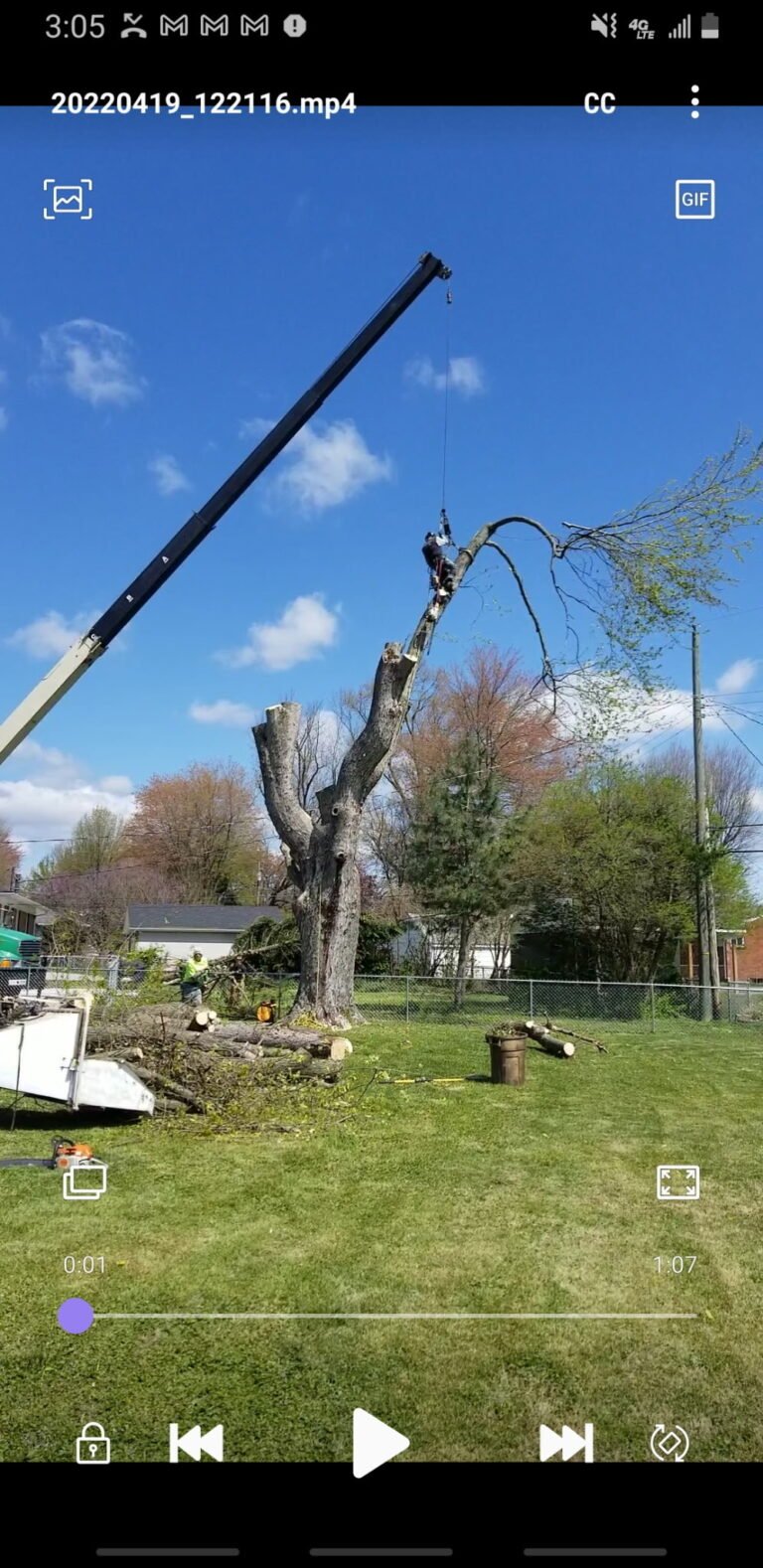
Common equipment includes bucket trucks, cranes for very large specimens, chainsaws, chippers, and stump grinders. The crew will typically cut large limbs in sections to control fall zones and reduce damage. After the heavy work, they will chip branches and haul away debris unless you prefer to keep logs for firewood.
If you have landscaping you want preserved, speak up at the estimate. Good crews will adjust rigging paths and placement of ladders to avoid damaging shrubs and beds. When Cummins works in my neighborhood, they often protect flower beds with temporary barriers and discuss wood disposal options ahead of time.
Balancing preservation and removal: when saving a tree is the best choice
Not every unhealthy tree needs removal. Proper pruning, mulch, soil aeration, and targeted treatments can buy healthy years. Trees provide ecological benefits, raise property values, and buffer noise and wind. An otherwise sound tree with a single problematic limb is often salvageable.
However, two clear situations favor removal: when the tree presents an imminent hazard, and when structural decline is widespread with little chance of recovery. A tree with extensive trunk rot or multiple large cracks, or one that leans markedly and has root plate failure, should come down. Sometimes a partial save is deceptive, leaving a hazardous, unstable tree that will require removal later at greater cost.
Tree stump removal and what customers should consider
Stump grinding is the common solution. It leaves a mulch-filled hole you can plant over or topdress with soil. Full stump removal, extracting major roots, is more disruptive and may be necessary if you plan heavy construction in the immediate area.
Expect stump grinding prices to scale with diameter. A small 8 to 12 inch stump might be a couple of hundred dollars; stumps over 36 inches can be significantly more. Ask whether the company disposes of grindings or leaves them for you, and whether additional hauling is included.
If you want to replant immediately, the grind depth matters. Standard grinding leaves 6 to 12 inches of material below grade, suitable for shallow replanting. For a full root-free bed, request deeper grinding or full excavation and plan for imported topsoil.
Resale, curb appeal, and neighborhood context
In New Albany, trees matter to buyers. Mature, well-cared-for trees often add to curb appeal and perceived value. Overgrown, diseased, or dangerous trees subtract value and raise red flags for inspectors. Calling a reputable tree service to manage tree health is an investment in curb appeal and in avoiding future liabilities.
If you are preparing a property for sale, discuss prioritized work with the agent. Sometimes trimming for shape and hazard removal yields a better return than wholesale cutting. The right approach preserves mature specimens and removes only what is necessary.
How Cummins Tree Service approaches sustainability and reuse
A practical tree company will discuss wood reuse. Large trunks can be milled into slabs for furniture, turned into firewood, or repurposed for garden timbers. Chipped material makes excellent mulch for lower beds. Ask the crew what they can do with the wood and whether you would like to keep logs for seasoning. Some clients receive a modest credit for taking and seasoning their own firewood.
Additionally, ask about disposal. If logs are hauled to a municipal site or transferred to a recycler, the company should tell you where and whether there are additional fees.
When to look for competitive bids and what to avoid
Always get at least two estimates for non-emergency work. Compare scope and not just total price. A low bid that omits stump grinding or uses vague cleanup language will cost more in the long run. Conversely, avoid choosing the highest bidder without reason. Look for clear insurance documentation, local references, and a willingness to provide a written contract.
Beware of door-to-door offers after storms that press for immediate payment. High-pressure tactics and lack of proper documentation are red flags. Cummins Tree Service operates with a visible local presence and will provide clear paperwork and references on request.
Final judgments: questions to ask the crew
When the crew arrives or during the estimate, ask direct questions that uncover their approach and competence. Ask about the method for removing each tree, whether they will need to rig pieces over structures, where they will stage wood, and who is responsible for permits. Ask for a timeline and cleanup level. For transplanting, ask about timing and guarantees, understanding that live tree relocation always carries risk.
A few practical anecdotes from real jobs
I once watched a 70 foot maple get removed in a narrow lane without a scratch to a neighboring garage. The crew used sectional cutting and a small crane to set trunk sections on a flatbed. The price reflected complexity, but the homeowner avoided a multi-thousand dollar repair after a failed DIY attempt the previous year.
On another job, a homeowner wanted to save a silver maple that had a large hollow. After a professional inspection with a resistograph and decay analysis, the team found the core integrity below the safety threshold. Removing the tree avoided an expected collapse into the screened porch during an upcoming storm season. The salvage option was more expensive and unlikely to succeed long term.
Both stories show trade-offs: sometimes spending more now prevents far greater losses later.
When to call Cummins Tree Service in New Albany Indiana
If any of the warning signs appear, if you are planning construction near trees, or if you need emergency response after a storm, call a professional. Cummins Tree Service can provide inspections, detailed estimates, emergency and planned removals, stump grinding, transplanting, and planting advice. They can also help with permit questions and coordinate with utilities when necessary.
Practical next steps for homeowners
Decide if the situation is urgent. For non-urgent health or aesthetic work, schedule an inspection during dormancy for clearer assessment. For emergencies, call immediately and keep children and pets away from the area until professionals arrive. Keep estimates in writing, verify insurance, and ask for references if you want extra assurance.
Handling trees is a balance between patience and decisiveness. The right call at the right time preserves value, protects structures, and keeps neighborhoods safe. When the work calls for experience, equipment, and judgment, Cummins Tree Service is the kind of local partner that removes uncertainty and leaves the job done right.
Cummins Tree Service
10245 Lotticks Corner Rd SE, Elizabeth, IN 47117
(502) 492-4208
[email protected]
Website: https://cumminstreeservice.com/